
Blog Banner Image

Hippies & clicktivism

By: David Werdiger
Uncategorized
Aug 28
2 min read

pexels pth686817 33368221 scaled


An idea has been sitting with me from a piece on why the left can’t seem to build a movement with the same cultural pull the hippies had.

The argument: the 60s counterculture wasn’t just a set of opinions, it was communes, uniforms, music, a whole way of life people organized their identity around. Today, even committed activists mostly just post. A tweet, a hot take, an “instant” protest. It’s efficient. It’s also disposable.

Meanwhile the political right has built its own tribes: hats, names, in-jokes, a whole aesthetic people opt into. Not because they’re better organized, but because identity-building was never the point of their internet use in the first place. Anti-institution, anti-authority sentiment travels naturally online. Belonging doesn’t.

That’s the trade-off: the fastest way to voice a belief might be the slowest way to build anything around it. A hot take can go out in ten seconds. A commune, a subculture, a brand people tattoo on themselves, that takes years of unglamorous repetition before it looks like anything.

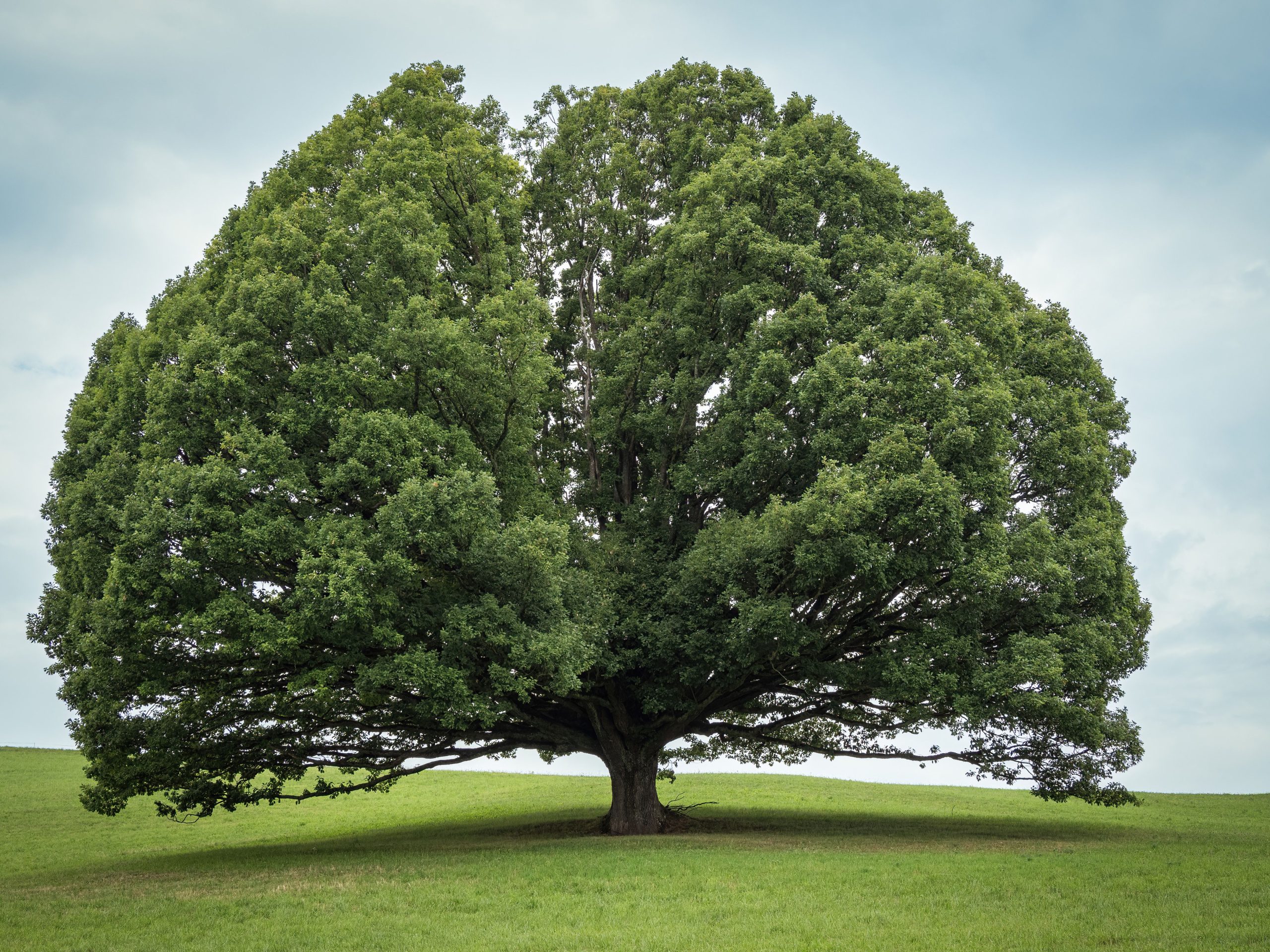
Trees make the same point. Nobody waters a tree once and gets shade. It’s ring by ring, invisible for a long time, until the roots can hold something up.

I think about this constantly outside of politics too:

– The founder who wins Twitter but has no community
– The brand with great engagement and zero identity
– The team that reacts to everything and stands for nothing

So, where have you seen “efficient” communication actually cost the deeper thing you were building? Genuinely curious what this looks like in your industry. Drop it below.
Recent Blog

Ted Turner’s Legacy

By David Werdiger | 1 min read

  Turner’s gone, but the world he built is still running.   News is a product. Your attention is the price.   Wh...

Read More

Meeting Someone Across the Room

By David Werdiger | 1 min read

  We used to meet people through curiosity. Now we meet them through search results. Before the first conversati...

Read More

Dunbar’s number

By David Werdiger | 1 min read

  Dunbar was right.   Anthropologist Robin Dunbar found that humans can maintain roughly 150 meaningful relation...

Read More

Join the Community

David Werdiger on Social Media

Most people who come to the Power of Pause work are not looking for productivity. They have plenty of that.

They are looking for the ability to be present for the things they most wanted to be present for. The dinner. The walk. The conversation with the child who is only going

Turner’s gone, but the world he built is still running.

News is a product. Your attention is the price.

When news never stops, speed beats accuracy and outrage beats context.

We complain about it, but we keep buying it. What would make you consume news differently?

We used to meet people through curiosity.

Now we meet them through search results.

Before the first conversation, we already know the highlights, leaving less room for discovery and surprise.

Dunbar was right.

Anthropologist Robin Dunbar found that humans can maintain roughly 150 meaningful relationships. Not because we’re antisocial, but because that’s about the limit of what our brains can keep track of.

“But I have thousands of followers,” you say. “Millions,

The Power of Pause Newsletter

Fortnightly writing on time, attention, and what actually matters. For people who are serious about how they spend their days.

This field is for validation purposes and should be left unchanged.