Ronald Reagan called it the nine most terrifying words in the English language.
We all know we have a big problem with our mobile devices
The question is: who or what is going to help solve the problem?
I’m all in favour of mobile phone bans at school and thanks to @Jonathan Haidt for writing and evangelising about the effect of devices on our children.
That’s very suitable for schools.
Now, how about the rest of us?
Can regulators stop the juggernaut that is social media?
It’s whack-a-mole. Restrict one platform and a new one just pops up.
Amend Section 230 to make them publishers not platforms? Break them up? Fine them for breaches?
It’s not clear that even big moves like that will make a difference.
The fix is already in.
It’s not too late to find a better solution, but we have to rethink our approach.
I grew up in a family that had everything—except time.
My father was a Holocaust survivor who built a successful textile business from nothing. He worked tirelessly, overcoming unimaginable trauma with sheer determination. But my father refused to call himself a victim. He was a relentless optimist, focused on building a future.
But that future came at a cost.
I watched my father pace the factory floor, overseeing every decision. The business owned him, not the other way around.
When I was old enough, I worked alongside him, feeling the weight of expectations—both my family’s and society’s. We were a prominent name in Melbourne, Australia, and with that came whispers, assumptions, and pressure.
At first, I followed the script: I pursued a promising career in software development, then left the nine-to-five world to launch my own business.
I craved independence, control, and success on my own terms. Over the years, I built multiple ventures, navigating the highs and lows of entrepreneurship. I learned what it meant to win—and to lose.
Through all of this, one truth became clear: Time is the one asset you can’t earn back.
Money, businesses, investments—these can be rebuilt. But lost time with family, lost moments with community, lost opportunities for joy—these are gone forever.
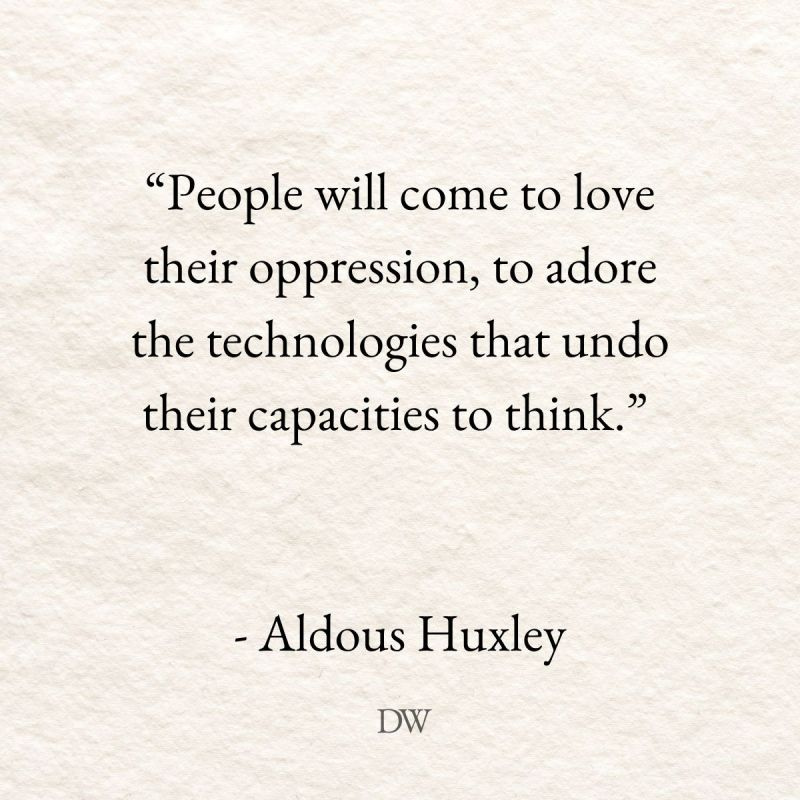
And yet, modern life conspires to steal time from us. We are slaves to technology, endlessly connected but never truly present. We confuse busyness with productivity, work with purpose.
Then I saw something else: I had always known the solution. It had been in front of me my whole life.
I was raised in the Orthodox Jewish tradition of observing the Sabbath. For one day every week, I disconnected completely. No phone. No laptop. No work. Just time—time with family, with community, with myself.
As a child, I found it restrictive. As an adult, I realized it was freedom.
Why You’re Always Busy—and How a Day of Rest Can Fix It
We live in a world obsessed with high-tech solutions for high-tech problems. We use productivity apps to manage the stress caused by other apps. We turn to meditation apps to find peace amid digital chaos.
We scroll endlessly. We respond instantly. We work late. We wake up anxious.
But what if the real solution isn’t new technology—but something ancient, something tested by centuries of practice? What if the answer is to simply unplug?
What if, instead of letting time slip away, we reclaimed it? What if we built our lives around true rest—not just vacations, but a structured, sacred break from the noise?
This is what the Day of Rest offers—a tested, structured method to reclaim time, attention, and purpose. It is more than a religious tradition; it is a system for renewal and balance that anyone can adopt.
We have sacred spaces—churches, synagogues, mosques—places we designate as separate from the everyday chaos, where we step inside and feel a sense of reverence.
Why shouldn’t we do the same with our time? A Day of Rest is a sanctuary in time, a moment set apart to remind us that life is more than productivity, more than screens, more than the endless race for more.
Here’s what happens when you commit to a Day of Rest:
You regain control of your time – No screens, no distractions, just the freedom to be fully present.
You deepen relationships – Quality time with family and friends, undisturbed by work or notifications.
You improve mental clarity – A break from the noise allows for reflection, creativity, and better decision-making.
You create a healthier work-life balance – Instead of being consumed by obligations, you set boundaries that serve you.
You preserve something sacred – A piece of your time, set apart, inviolable, just as we do with physical spaces.
How You Can Start Right Now
The Day of Rest isn’t just an ancient practice—it’s a modern necessity. You don’t have to be religious to benefit from it. Start simple:
ONE Pick one day a week where you step away from technology and work.
TWO Prepare in advance so that you don’t have unfinished tasks lingering in your mind.
THREE Be present – Spend time with loved ones, engage in meaningful activities, and reflect.
FOUR Make it sacred – Treat it as an unbreakable commitment to yourself.
I’ve had the privilege of speaking with some of the world’s wealthiest families—from Dubai to Singapore to New York—about their private struggles, their deepest concerns, and the legacies they hope to build.
No matter how much wealth or success they’ve accumulated, the one truth that unites them—and all of us—is this: we are all here for a short time.
If you don’t master your time, nothing else matters. How best will you use it?
Let me help you create the space you need to truly experience the space of time—the sensation of being alive, without distraction, without frenzy.
So I ask you: What would your life look like if you took back your time? If, just one day a week, you turned off the noise? If you built a life where time was your greatest asset—not your greatest loss?
More optimization, more efficiency, more automation—these don’t give you your time back; they just help you lose it faster.
The real answer isn’t in some new hack or algorithm. It’s in stepping away from all of it, in reclaiming time as something sacred.
It’s time to stop running. It’s time to take back what’s yours.
Start by taking a Day of Rest.
You can start today.
If this resonates with you, let’s talk. Join me in exploring how to reclaim time in a world that steals it.